
Falling is one of the most common fears among older adults, and it’s not an irrational one. A single fall can mean an injury, a hospital stay, or weeks of setback in a recovery that was already underway. The good news is that fall prevention doesn’t have to rely on luck or vigilance alone. At Gold Country Health Center, it’s built into daily care from the moment a resident arrives.
Why Fall Prevention Matters So Much
Research on fall prevention in hospitals and nursing homes done by the Clinical Practice Guideline Published in Worldviews on Evidence-Based Nursing has found that close to 10 percent of older patients experience a fall during a stay, and more than a quarter of those falls lead to a physical injury. The same body of research puts the number even higher in long-term care specifically, with roughly half of nursing home residents experiencing at least one fall a year.
The effects of a fall don’t stop at the physical either. A fall, or even a near-fall, often leaves someone afraid of falling again. That fear alone can change a person’s life completely by causing them to stop moving around the community without fear and creating a strain on their social life due to the excess anxiety.
The combination of physical risk plus the emotional toll is a big part of why fall prevention gets so much attention in skilled nursing, and why it requires a multi-pronged approach from the resident and the skilled nursing team.
How It Starts: Assessing Risk From Day One
Fall prevention begins with a conversation. When a resident arrives at Gold Country, the nursing team reviews their medications as part of that intake conversation, since sedatives, antihistamines, and certain antidepressants can raise fall risk through their effect on the central nervous system. Mobility, balance, and any history of falls or near-falls get documented as well. Knowing a resident’s history helps the care team understand exactly where and why a resident is at risk and adjust their individual care plan accordingly.
This isn’t just a one-time conversation. As a resident’s condition changes, whether they’re gaining strength through therapy or adjusting to a new medication, risk factors get reassessed so the plan keeps up with reality instead of staying frozen at the intake conversation. Nursing, therapy, and the resident’s physician all stay looped into that picture together.
Fall Prevention and the Physical Environment
A lot of fall prevention comes down to the space itself. Hallways free of clutter, handrails throughout the building for three points of contact, secured flooring instead of loose rugs, and night lighting in hallways and rooms all reduce the everyday hazards that cause falls. Call lights and easy-to-reach essentials matter too. When a resident has to stretch or reach toward something far away they are immediately more vulnerable to a fall or close call.
Bathrooms get particular attention, since they’re one of the most common places for a fall to happen. Non-slip surfaces, grab bars, and raised, supported toilet seats are standard, not an afterthought.
Where Therapy Comes In
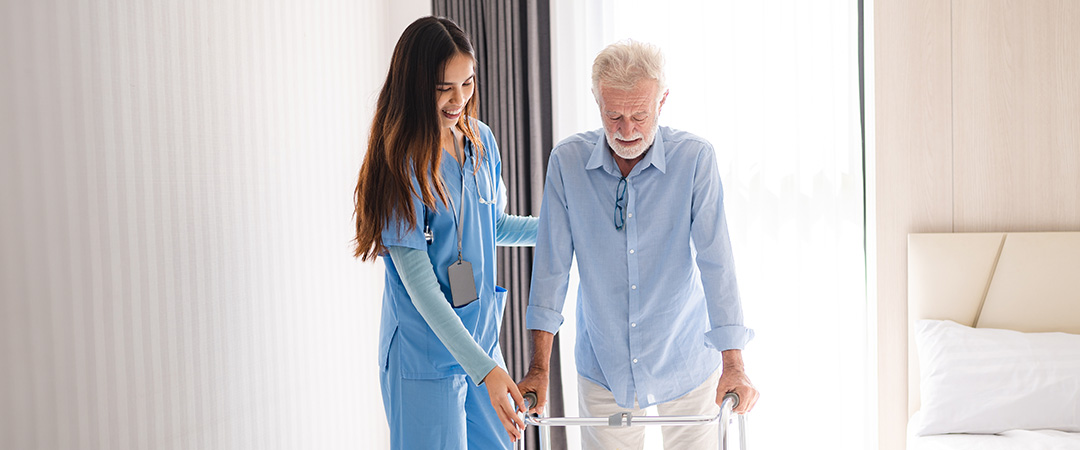
The environment around the resident only goes so far if a resident’s balance and strength are the real issue underneath. Gold Country’s physical therapy program includes specialty programming and technology built specifically around balance and fall prevention, working directly on biomechanics, coordination, and muscle strength rather than just managing risk around a resident. In practice, that might look like practicing safe transfers from bed to chair, building leg strength to make standing up steadier, or working on the kind of quick balance correction that stops a stumble before it turns into a fall.
For many residents, this therapy work does more for long-term fall prevention than any handrail can, since it addresses the underlying reason a fall is more likely in the first place.
Carrying Safety Home
For residents working toward returning home, fall prevention doesn’t stop at discharge. The same habits that matter at Gold Country translate well to a home environment: securing loose rugs or floorboards (double-sided tape works great for rugs that can’t be removed), clearing high-traffic areas of boxes, cords, and clutter, and adding a bedside lamp or night lights for visibility after dark. Handrails in the bathroom and along any stairs are worth the investment too, since they offer the same three points of contact that make a difference at Gold Country.
The care team is a good resource for talking through what a resident’s specific home setup might need before they go because the risks are different for each individual person.
Safety as a Daily Habit
Fall prevention isn’t a single fix. It’s a habit built from a lot of small, consistent choices, made easier when a resident isn’t the only one paying attention. Between nursing, therapy, and a psychologist on staff to help with the fear that sometimes follows a fall, Gold Country’s approach treats fall prevention as a shared responsibility rather than something a resident has to manage alone.
If you or a loved one is thinking through fall prevention, whether during a stay or in planning for one, the team at Gold Country Health Center is glad to talk through what a personalized plan could look like. Reach out today to learn more about our skilled nursing and physical therapy programs.
Frequently Asked Questions:
Why is fall prevention such a big focus in skilled nursing?
Older adults admitted to hospitals and care facilities fall at meaningfully higher rates, and falls often bring both physical injury and a lasting fear of falling that can limit mobility and social activity. Addressing both sides is part of quality skilled nursing care.
What does fall prevention in skilled nursing actually involve?
It typically includes a medication review, tracking any fall or near-fall history, a safe physical environment with handrails and clear walkways, and physical therapy focused on balance and strength.
Can fall prevention habits from skilled nursing carry over to home?
Yes. Securing rugs, clearing clutter from walkways, adding night lighting, and using bathroom safety equipment are all habits that work just as well at home as they do in a care setting.